The Cult Fashion Brands Shaping 2026
Cult fashion brands are rarely built on scale. They emerge slowly - through loyalty, clarity of identity and a customer who feels part of something rather than sold to.
In 2026, the labels shaping fashion conversations are not necessarily the loudest or most ubiquitous - they are deliberate.
They understand their audience and create garments people actively wait for - not simply consume between trend cycles.
From Copenhagen’s precision - a sensibility explored in our deep dive on mfpen and the evolution of modern Danish fashion here - to New York’s subversive edge and Stockholm’s minimal modernists, a new generation of independent fashion brands is redefining what modern cult status looks like.
The Brands Redefining Modern Cult Status
Vaquera - Subversive New York Fashion

Photo: Vaquera
Founded in 2013 by Patric DiCaprio and Bryn Taubensee, Vaquera embraces exaggeration, irony and proportion pushed to theatrical extremes.
Supported by the Comme des Garçons ecosystem and collaborations with Converse and Nike, the label remains firmly insider-facing.
It is a brand you either understand or you do not. That selective appeal strengthens its cult status. Subversive, self-aware and unapologetically niche.
Toteme - Quiet Luxury With Lasting Appeal

Photo: Toteme
Founded in Stockholm in 2014 by Elin Kling and Karl Lindman, Toteme has mastered modern minimalism without theatrics. Its aesthetic is deliberate: neutral palettes, precise tailoring and investment pieces designed to outlast trend cycles.
Certain items - notably the embroidered scarf jacket - sell out repeatedly, reinforcing the brand’s desirability.
Worn by Jennifer Lawrence and Katie Holmes, Toteme occupies the quiet luxury space without announcing itself as such. Its appeal lies in restraint: high-quality, durable and intentionally timeless.
Connor Ives - Where Activism Meets Design

Photo: Connor Ives
London-based American designer Conner Ives has cultivated a following among industry insiders who favour substance over spectacle. His upcycled designs blend American nostalgia with sharp cultural awareness.
Celebrity support from Rihanna, Hailey Bieber and Sky Ferreira accelerated momentum, but credibility came earlier. In 2025 he won the BFC/Vogue Designer Fashion Fund, solidifying his position among London’s most important emerging designers.
The “Protect the Dolls” T-shirt - worn by Pedro Pascal and Laverne Cox - became a symbol of solidarity with trans women. For Ives, activism and aesthetics are inseparable.
GANNI - The Modern Scandinavian Cult Brand
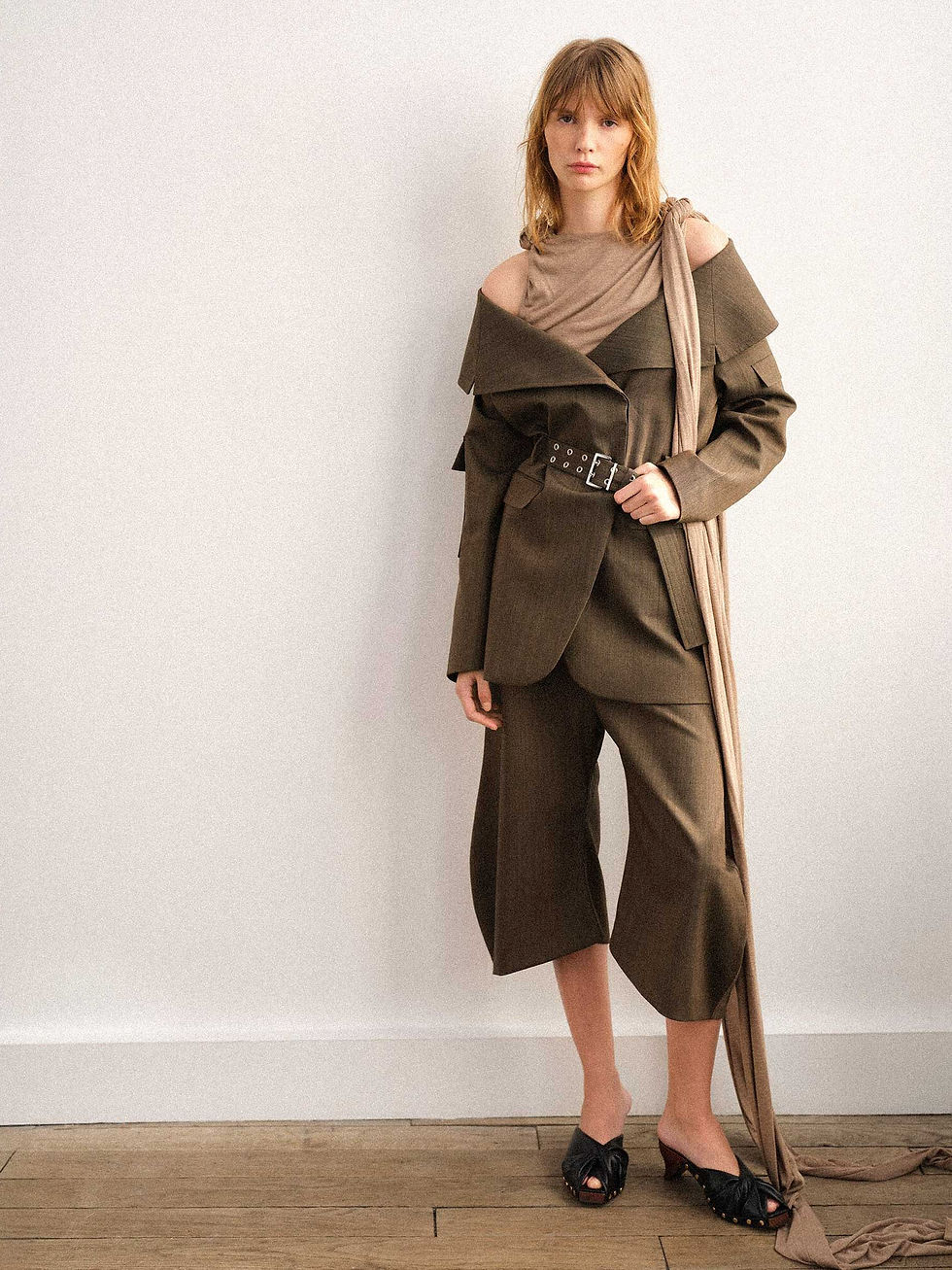
Photo: GANNI
What began as a small Copenhagen label has become a global reference point for contemporary Scandinavian style. GANNI stepped away from strict Nordic minimalism early on, leaning into colour, print and personality. The “Ganni Girl” is confident and self-directed - the clothes support her rather than define her.
That sense of community has driven long-term loyalty, amplified by influencer adoption and international visibility.
Positioned within accessible luxury, GANNI balances playful femininity with a credible commitment to sustainability. It feels grown-up, but never rigid - a rare equilibrium that explains its enduring cult following.
Dala - London’s Emerging Denim Cult Label

Photo: Dala
Dala has become shorthand for what London’s fashion crowd is wearing now. Denim is its calling card - distinctive washes, precise cuts and a relaxed yet directional silhouette.
Production takes place in a B Corp-certified factory in Paraguay, underscoring its ethical credentials.
The aesthetic feels high fashion without posturing. Wearable, but never generic. Among emerging denim brands, Dala stands out for clarity and discipline.
Susamusa - Gen Z Nostalgia, Reworked
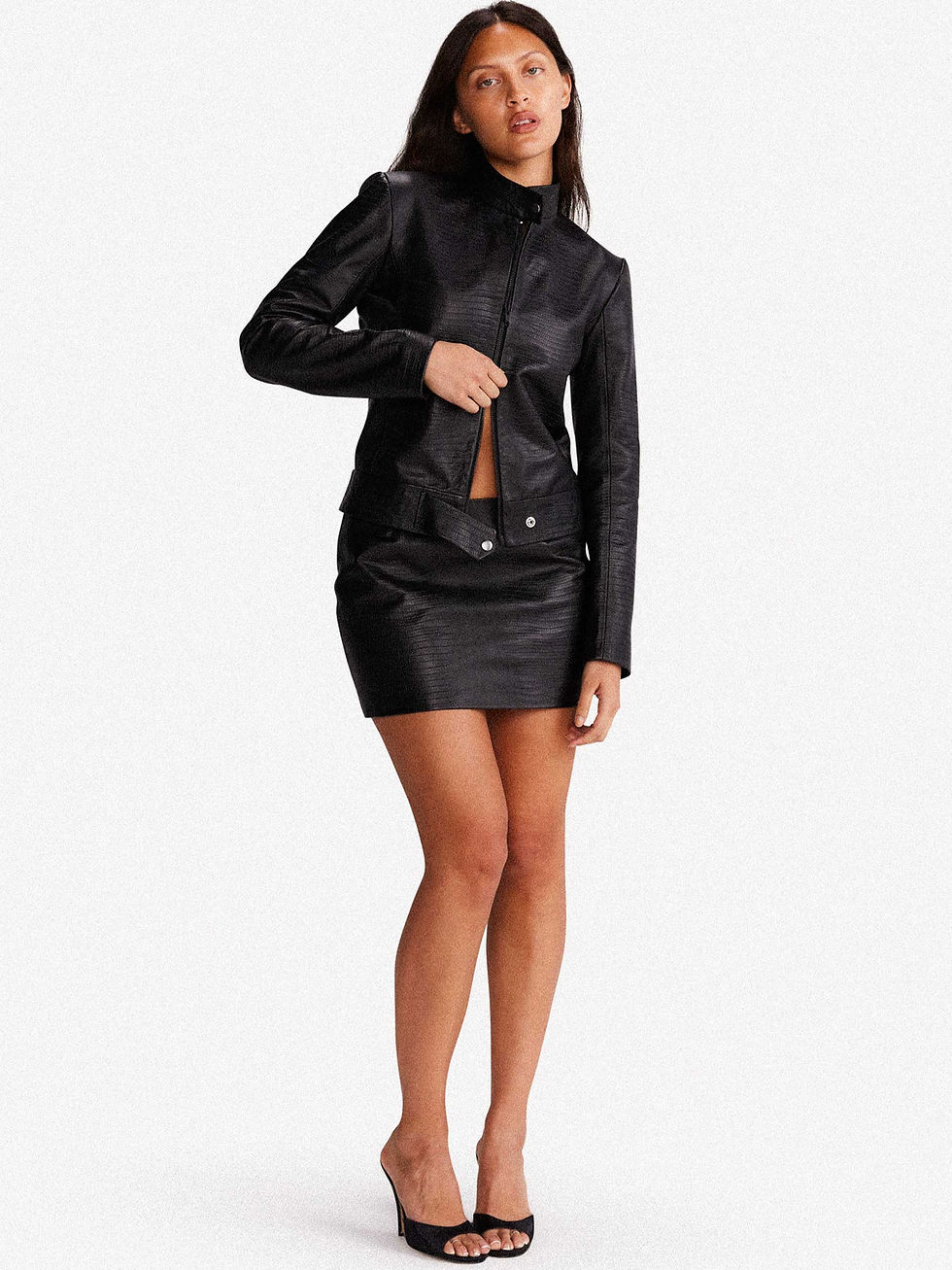
Photo: Sasamusa
Founded in 2020 by Persian designer Asal Tehrani, Susamusa evolved from a curated vintage platform into a label with a growing Gen Z following. The aesthetic draws on late 1990s and early 2000s nostalgia, often using deadstock fabrics in limited or made-to-order runs.
Scarcity is central to its appeal. Smaller drops are quickly absorbed by a loyal audience attuned to cultural nuance.
Influencer endorsement accelerated growth, but the foundation remains deeply personal. A recent partnership with Liberty signals the brand's widening recognition.
Tolu Coker - Storytelling as Design Practice

Photo: Tolu Coker
Since relaunching her namesake label in 2021, Tolu Coker has positioned herself as both designer and narrator.
Her work merges sustainability with personal and cultural histories, earning recognition as a Sustainability Trailblazer on the cover of British Vogue in 2024.
Worn by Rihanna, Tyla and Rita Ora, the brand holds editorial strength alongside celebrity backing. Coker’s pieces feel intentional rather than reactive. She remains one of London’s most closely watched independent designers.
Miista - Sculptural Footwear for the IYKYK Set

Photo: Miista
Miista began with footwear and built an audience around what some described as “ugly shoes for cool girls.” Founder Laura Villasenin designs for women who prefer risk over repetition.
The aesthetic is sculptural, offbeat and occasionally confrontational. Instagram contributed to early visibility, but longevity has come from consistency and product integrity.
Now expanded into ready-to-wear, Miista maintains its insider positioning.
Damson Madder - London’s Commercially Sharp Cult Brand
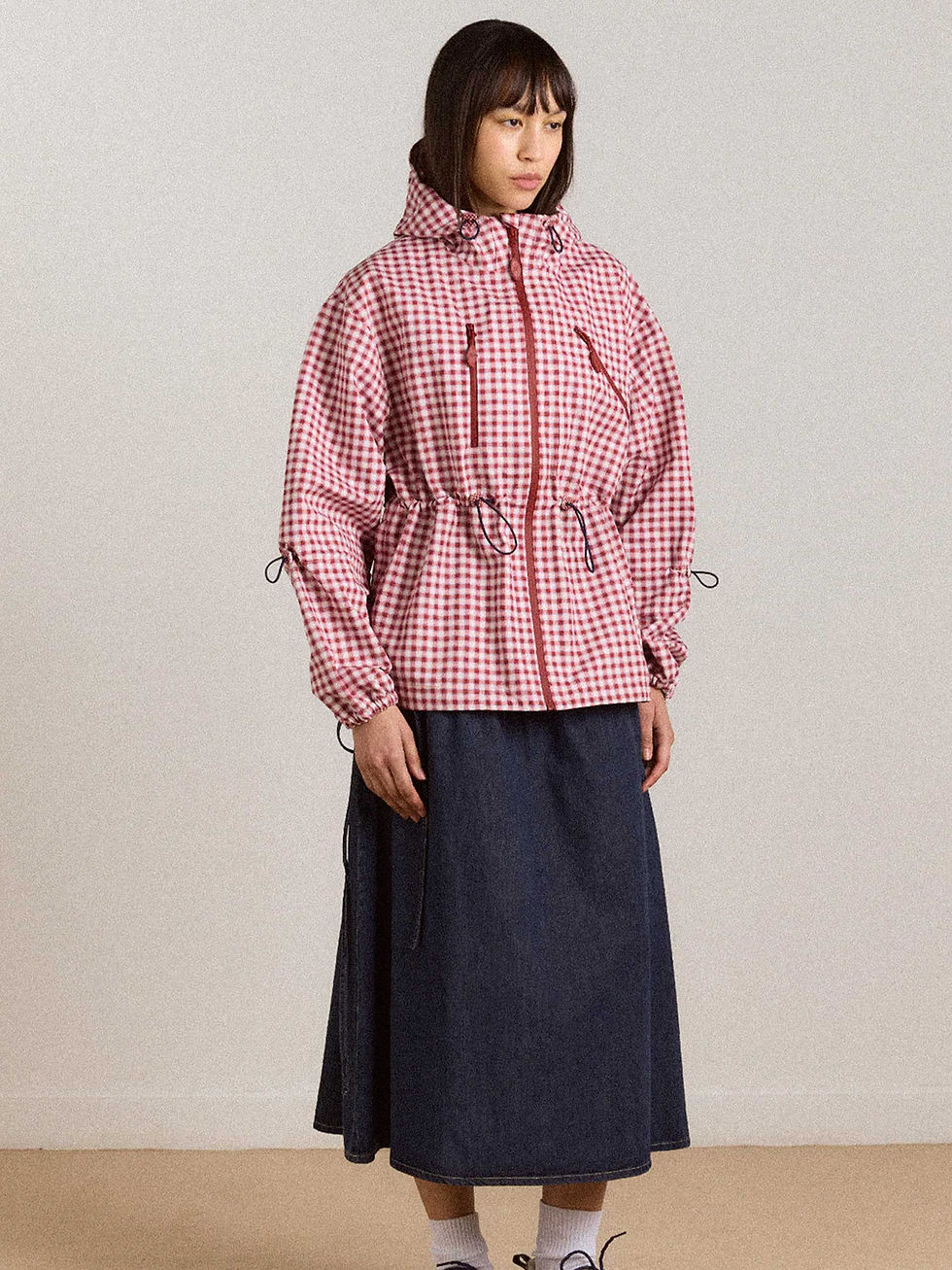
Founded by Emma Hill, Damson Madder blends playful femininity with practicality, often through organic cotton and responsibly sourced materials.
Pieces such as its leopard print trousers have sold out rapidly, propelled by social momentum. Production runs has remained tight, which in turn has helped preserve the brand's demand.
Often grouped within Scandi-inspired dressing, Damson Madder’s tone is distinctly London - bright, self-aware and commercially astute.
Why Cult Fashion Brands Matter in 2026
In an era of algorithmic dressing and accelerated trend cycles, cult fashion brands offer something rarer: identity.
Whether grounded in sustainability, scarcity, activism or aesthetic precision, these labels demonstrate that influence is not always loud.
Sometimes it is simply consistent - and consistency, over time, becomes culture.
Frequently Asked Questions About Cult Fashion Brands
What makes a fashion brand a cult brand?
A cult fashion brand builds loyalty through identity, scarcity and strong creative direction rather than mass-market scale.
Are cult fashion brands sustainable?
Many cult fashion brands prioritise smaller production runs, deadstock fabrics or durable investment pieces, though sustainability varies by label.
What is the difference between a cult brand and a luxury brand?
Luxury brands focus on heritage and exclusivity, while cult brands build influence through community and design clarity.
Which cult fashion brands are shaping 2026?
Brands such as GANNI, Toteme, Conner Ives, Vaquera and Tolu Coker continue to shape independent fashion conversations in 2026.


